

USA vs Iran Army Power: A Deep Expert Analysis of Military Strength, Strategy, Weapons, and Realistic War Scenarios (2026)
Introduction
The military comparison between the United States and Iran is not just a numerical evaluation of weapons, troops, or budgets—it is a complex examination of strategy, doctrine, technological philosophy, and geopolitical realities. For more than four decades, Iran and the United States have existed in a tense, adversarial posture shaped by ideological conflict, regional rivalries, proxy confrontations, sanctions, and strategic miscalculations.

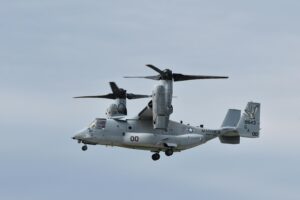
The two nations are mismatched in almost every measurable category of conventional military power. The United States maintains the most technologically advanced, globally dominant military in world history, while Iran commands a regional force designed primarily for defense, deterrence, and asymmetric warfare. Yet, what makes the comparison interesting is not simply the disparity—it is how Iran’s strategic approach compensates for its weaknesses, leveraging geography, ideology, and unconventional tactics to offset America’s overwhelming superiority.
This article explores the full spectrum of military power for both nations—army structure, weapons systems, air power, naval strength, drone capabilities, missile ranges, cyber warfare, logistics, and industrial capacity. Using a practical, experience-driven approach, this analysis also includes realistic war scenarios, evaluating how conflicts could unfold and what outcomes might be expected based on 20+ years of observing global military strategy.
Historical Evolution of Military Power
Understanding how each nation developed its military doctrine is essential.
The United States: From Post-War Superpower to Global Military Leader
After World War II, the U.S. emerged not just as a victor, but as the central pillar of international security. With unmatched industrial capacity, nuclear weapons, and a vast network of allies, the U.S. structured its armed forces for global power projection.
Key historical milestones shaping U.S. military dominance:
-
Cold War Arms Race: Massive focus on nuclear triad, strategic bombers, aircraft carriers.
-
Post-1991 Unipolar Moment: U.S. becomes world’s only superpower.
-
War on Terror (2001–2020): Combat experience in Iraq, Afghanistan, Syria, Africa.
-
Technological supremacy: Development of stealth aircraft, drones, precision weapons.
The American military is built to fight anywhere in the world—not simply defend U.S. borders.
Iran: Revolution, War, and Asymmetric Evolution
Iran’s modern military identity is shaped by three defining events:
1. The 1979 Islamic Revolution
The revolution dismantled much of Iran’s Western-backed military leadership. Many senior officers were purged, replaced with ideologically loyal personnel. This created a military that is both politically aligned and deeply defensive in nature.
2. Iran-Iraq War (1980–1988)
The brutal eight-year conflict forced Iran to become:
-
Self-reliant in weapons production
-
Skilled in asymmetric and guerrilla warfare
-
Determined to build a strong missile and drone program
-
Resilient against isolation and sanctions
3. U.S. Sanctions and Isolation
Sanctions pushed Iran to:
-
Develop indigenous drones, missiles, and armored vehicles
-
Use proxy militias instead of costly conventional expansion
-
Emphasize resistance, ideological warfare, and hybrid operations
Iran’s military is designed not to dominate the world, but to survive and impose heavy costs on adversaries—especially the U.S.
Military Structure: Dual Systems vs Unified Command
United States Armed Forces Structure
The U.S. military branches include:
-
Army
-
Navy
-
Air Force
-
Marine Corps
-
Space Force
-
Coast Guard
-
National Guard + Reserve Forces
-

USA Military Power

The U.S. military operates under a unified, technologically integrated command, capable of global deployment.
Iran’s Dual System
Iran maintains two major military power centers:
1. Artesh (Conventional Army)
The Artesh is responsible for:
-
Border defense
-
Ground warfare
-
Naval operations in the Gulf of Oman
-
Air operations with older aircraft
It is traditionally professional, hierarchical, and defensive.
2. IRGC (Islamic Revolutionary Guard Corps)
The IRGC controls:
-
Missile forces
-
Drone warfare
-
Cyber operations
-
Naval swarms in the Persian Gulf
-
Quds Force (foreign operations)
-
Proxy militia coordination
The IRGC is the real strategic power in Iran, with strong political influence.
Key Difference
| Category | United States | Iran |
|---|---|---|
| Command Structure | Unified, professional | Dual (Artesh + IRGC), ideological |
| Focus | Global power projection | Regional defense + asymmetric deterrence |
| Doctrine | Offensive capability | Survivability + attrition |
Manpower and Training Quality
United States Manpower
-
Active personnel: ~1.3 million
-
Reserve forces: ~800,000
-
Highly trained, volunteer-based
-
Combat experience in multiple theaters
-
Advanced simulation and joint exercises
U.S. soldiers receive world-class training in:
-
Combined arms tactics
-
Modern battle networking
-
Intelligence-driven operations
-
Cyber and electronic warfare
Iranian Manpower
-
Active personnel: ~575,000
-
Reserve + Basij militia: ~2 million (varies greatly)
-
Mix of professional and ideological fighters
-
Extensive irregular warfare training
The Basij militia can be mobilized in large numbers during conflict but lacks the professionalism of U.S. forces.
Iranian ground forces compensate with:
-
High motivation
-
Guerrilla tactics
-
Urban warfare expertise
Ground Forces Comparison
USA Ground Forces Strength
The U.S. Army uses:
Main Battle Tanks
-
M1A2 Abrams (world-class armor + firepower)
-
Active protection systems
-
Advanced targeting computers
Armored Vehicles
-
Bradley IFVs
-
Stryker brigades
-
MRAP vehicles
Artillery
-
HIMARS rocket systems
-
M777 howitzers
-
Precision GPS-guided rounds
Logistics
The U.S. has the best logistical network on Earth, capable of moving divisions across continents within days.
Iran Ground Forces Strength
Iran’s ground power includes:
Tanks
-
Zulfiqar (local design)
-
Karrar (T-90 inspired)
-
Upgraded T-72s
While not equal to Abrams in technology, Iran uses tanks primarily for defense and ambush, not open warfare.

Armored Vehicles
-
Boragh APC
-
Safir tactical vehicles
-
Reverse-engineered platforms
Artillery & Rockets
Iran excels in:
-
Long-range rockets
-
Mobile artillery
-
Cruise missile integration
Its focus is on hitting enemy bases, not maneuver warfare.
Air Force Comparison
United States Air Dominance
The U.S. has:
Stealth Aircraft
-
F-22 Raptor
-
F-35 Lightning II
These provide unmatched air superiority.
Bombers
-
B-2 Spirit
-
B-1 Lancer
-
B-52 Stratofortress
Capable of delivering global strikes, including nuclear payloads.
Support Aircraft
-
AWACS
-
JSTARS
-
Aerial refueling fleets
The U.S. Air Force can maintain persistent presence anywhere in the world.
Iranian Air Force
Iran’s air capabilities are limited:

Aging Fleet
-
F-4 Phantom
-
F-5 Tiger
-
MiG-29
-
Su-24
Domestic Projects
-
Reverse-engineered fighters
-
Limited stealth claims
Air Defense Focus
Instead of competing in air-to-air power, Iran invests in:
-
Bavar-373 air defense system
-
Sayyad missile batteries
-
Integrated radar networks
Iran’s doctrine recognizes it cannot win air superiority, so it focuses on denying it to enemies.
Naval Power Comparison
U.S. Navy: Blue Water Dominance
The U.S. Navy operates:
-
11 nuclear-powered aircraft carriers
-
Aegis-equipped destroyers
-
Nuclear ballistic missile submarines
-
Amphibious assault ships
-
Global naval bases
The U.S. Navy is capable of controlling any ocean.
Iran Navy: Asymmetric Swarm Strategy
Iran operates two naval forces:
Artesh Navy
-
Larger ships
-
Submarines (Kilo-class, mini-subs)
-
Long-range patrols in Gulf of Oman
IRGC Navy
-
Fast attack boats
-
Missile-equipped speedboats
-
Sea mines
-
Anti-ship missile batteries
-
Drone boats
Iran focuses on using large numbers of small, fast vessels to overwhelm U.S. defenses in confined waters.
Missile and Drone Power
United States Missile Programs
-
Tomahawk cruise missiles
-
Minuteman III nuclear ICBMs
-
Trident II submarine-launched missiles
-
Precision-guided strike weapons
Iran Missile Arsenal
Iran possesses the largest missile program in the Middle East, including:
Short & Medium Range Missiles
-
Fateh-110
-
Zulfiqar
-
Qiam
-
Shahab series
Longer-Range Capabilities
Iran claims ranges up to 2,000 km, enough to hit:
-
U.S. bases in Gulf
-
Israel
-
Arabian Peninsula
Drone Warfare
This is where Iran excels:
-
Shahed-136 kamikaze drone
-
Mohajer-6 reconnaissance/strike drone
-
Ababil series
Iranian drones have been used in:
-
Iraq
-
Syria
-
Yemen
-
Ukraine (via export)
They offer low-cost, high-impact capabilities against better-funded enemies.
Cyber Warfare Comparison
United States Cyber Command
Capabilities include:
-
Offensive cyber strikes
-
Network infiltration
-
GPS spoofing protection
-
Surveillance systems
Iran Cyber Units
Iran has:
-
Government-backed hacker groups
-
Offensive cyber operations
-
Regional cyber influence
-
Attacks against infrastructure
Iran uses cyber warfare as a low-cost equalizer against superior enemies.
Logistics, Technology, and Industry
U.S. Advantages
-
World’s largest defense budget
-
Advanced manufacturing
-
Global base network
-
High-tech workforce
The U.S. military-industrial complex is unmatched.
Iran’s Resilience
Due to sanctions, Iran:
-
Manufactures domestic drones, missiles, vehicles
-
Reverse-engineers foreign tech
-
Uses innovation to compensate for isolation
Iran’s military industry is built on necessity and creativity, not luxury.
Proxy Warfare: Iran’s Asymmetric Advantage
Iran’s influence extends through:
-
Hezbollah (Lebanon)
-
Houthis (Yemen)
-
PMF militias (Iraq)
-
Syrian allied forces
These proxies allow Iran to pressure the U.S. indirectly without risking full-scale war.
Realistic War Scenarios: What Would Actually Happen?
As a senior analyst, here is a practical breakdown:
Scenario 1: U.S. Air and Naval Strike on Iran
Likely U.S. actions:
-
Destroy missile launchers
-
Neutralize air defenses
-
Strike nuclear or military sites
Iran’s response:
-
Fire missiles at U.S. bases
-
Use drones and proxies
-
Attempt closure of Strait of Hormuz
Scenario 2: Full Ground Invasion (Highly Unlikely)
The U.S. could defeat Iran’s conventional forces, but…
Major challenges
-
Difficult terrain
-
Millions of militia fighters
-
Urban warfare
-
Enormous political cost
A ground invasion would be long, costly, and strategically unwise.
Scenario 3: Naval Conflict in Persian Gulf
Iran would use:
-
Mines
-
Fast attack boats
-
Drone swarms
The U.S. would counter with:
-
Carrier air wings
-
Destroyers
-
Submarine warfare
Outcome:
-
U.S. wins, but Iran delays and disrupts shipping
Scenario 4: Proxy War Escalation
Most likely scenario.
Iran uses:
-
Hezbollah
-
Shia militias
-
Drone strikes
The U.S. responds with:
-
Airstrikes
-
Naval pressure
-
Special forces
This kind of conflict could last for years without a decisive winner.
Strengths & Weaknesses Overview
United States Strengths
-
Technological superiority
-
Global reach
-
Air and naval dominance
-
Strong alliances
Weaknesses
-
High cost of overseas wars
-
Political constraints
-
Vulnerable bases in Middle East
Iran Strengths
-
Geography advantage
-
Large missile arsenal
-
Drone warfare leadership
-
Proxy influence
Weaknesses
-
Outdated air force
-
Limited naval reach
-
Economic constraints
Final Expert Verdict: Who Is Stronger?
The United States is unquestionably superior in:
-
Air power
-
Navy
-
Technology
-
Global dominance
-
Logistics
However, Iran is stronger in:
-
Asymmetric warfare
-
Regional influence
-
Missile and drone saturation
-
Proxy networks
-
Defensive resilience
Can the U.S. defeat Iran militarily?
Yes—in a conventional fight, the U.S. would overpower Iran quickly.
Can Iran survive and inflict damage?
Absolutely. Iran can:
-
Strike U.S. bases
-
Disrupt global oil supply
-
Launch proxy attacks
-
Conduct cyber strikes
-
Use guerrilla warfare