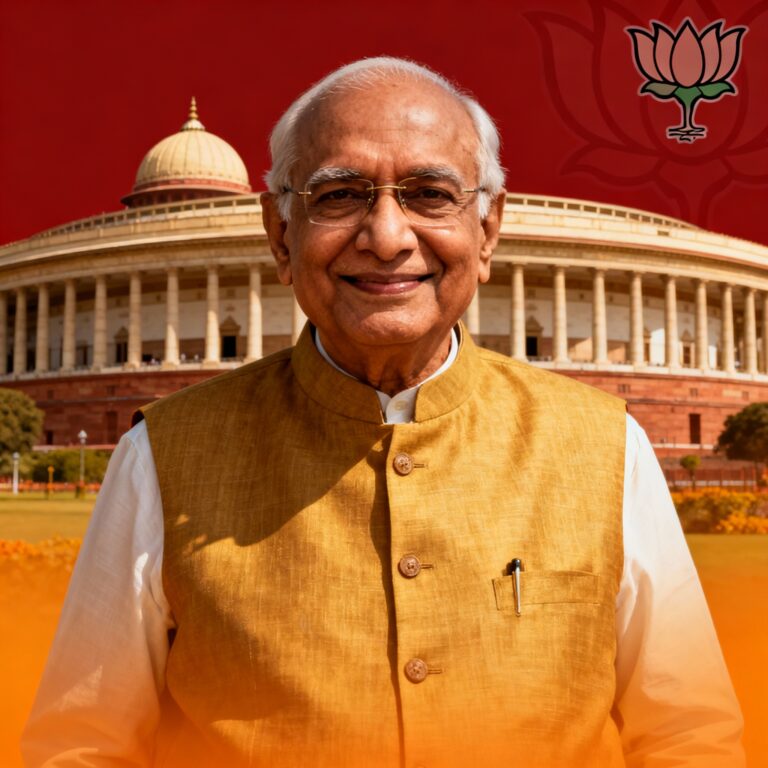

Shivraj Patil Death 2025: Veteran Congress Leader & Ex-Home Minister Passes Away at 90 – Biography, Career & Tributes
Shivraj Patil death,Senior Congress leader and former Union Home Minister Shivraj Patil passed away on 12 December 2025 at the age of 90, marking the end of a long and influential political career that spanned over five decades. He died at his residence in Latur, Maharashtra, after a brief illness, prompting tributes from across the political spectrum, including a condolence message from the Prime Minister.

Shivraj Patil Latest News Update
Shivraj Patil’s death was confirmed by his family and party colleagues, who stated that he had been unwell for a short period before passing away peacefully at his home “Devghar” in Latur. News agencies and major national dailies reported his demise on the morning of 12 December 2025, describing him as a veteran Congressman and former Lok Sabha Speaker and Union Home Minister. The Prime Minister and senior leaders from multiple parties issued condolence messages highlighting his contribution to parliamentary democracy and public life.
Early Life and Political Rise
Shivraj Vishwanath Patil was born on 12 October 1935 in Chakur, in present-day Latur district of Maharashtra, into a modest family that valued education and public service. He studied law and became involved in student and local politics before joining the Indian National Congress, gradually building his base in the Marathwada region. His early political work focused on rural development, irrigation, and cooperative institutions, helping him emerge as a prominent leader in the then undivided Bombay State and later Maharashtra.
Parliamentary Career and Key Roles
Shivraj Patil’s national profile rose rapidly after he was elected to the Lok Sabha from Latur, a constituency he went on to represent multiple times. In Parliament, he served on various committees and earned a reputation for his calm demeanor, procedural knowledge, and ability to work across party lines. Over the decades, he held several important posts including Union Minister of State, Cabinet Minister, and later presiding officer of the Lok Sabha, placing him at the center of legislative decision-making.
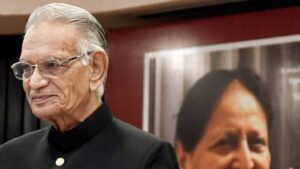
Speaker of the Lok Sabha
One of the high points of Patil’s career was his tenure as Speaker of the Lok Sabha from 1991 to 1996, during a politically turbulent period marked by coalition pressures and frequent disruptions. As Speaker, he was known for his measured conduct, emphasis on decorum, and efforts to give space to both treasury and opposition benches while upholding parliamentary rules. His term is often cited as an example of how a presiding officer can balance firmness with courtesy, which later contributed to his image as an institutionalist.
Union Home Minister Tenure
Shivraj Patil served as Union Home Minister in the UPA government from 2004 to 2008, a role that placed him in charge of internal security, law and order, and center-state coordination on policing and counter-terrorism. This period saw several major security challenges, including terror attacks and insurgency-related incidents, which brought the Home Ministry under intense public and political scrutiny. His handling of these crises was frequently debated, and the Mumbai terror attacks of November 2008 became a turning point in perceptions of his stewardship.
Resignation and Criticism
After the 26/11 Mumbai attacks, Patil submitted his resignation as Union Home Minister, accepting political responsibility amid widespread criticism over intelligence gaps and preparedness. Opposition parties and sections of the media portrayed his exit as a necessary accountability step, while some Congress colleagues defended his integrity but conceded that public confidence had eroded. This episode, though painful for his political legacy, also underlined how major security failures can reshape careers and public narratives in Indian politics.
Ideological Stand and 2022 ‘Jihad’ Remark
Even after leaving frontline ministerial office, Shivraj Patil remained active in intellectual and ideological debates within the Congress. In 2022, he courted controversy when he remarked that the concept of “jihad” could be found not only in the Quran but also in the Bhagavad Gita and the Bible, which drew sharp reactions from political and religious groups. The BJP and Hindu organizations accused him of “insulting” Hindu tradition, while Congress leaders distanced themselves, calling the remark “unacceptable” and stressing that it did not reflect the party’s official position.
Personal Life and Family Background
Shivraj Patil hailed from a family rooted in the agrarian and cooperative landscape of Marathwada, and he maintained close ties with his native region throughout his life. Publicly available biographical accounts describe him as a soft-spoken, disciplined figure who valued reading, legal scholarship, and spiritual reflection alongside politics. He is survived by his family members who, along with local supporters in Latur and Chakur, long projected him as both a national leader and a guardian of regional interests.
Contributions Beyond Politics
In addition to his legislative and ministerial work, Patil was associated with educational trusts, cooperative bodies, and policy-related institutions that sought to promote development and governance reforms. Some profiles highlight his interest in infrastructure, energy, and public enterprises, portraying him as a leader with a technocratic streak and an appetite for details. His engagement in these sectors complemented his political assignments and helped shape long-term projects in Maharashtra and beyond.
Reactions to His Demise
Following news of his death, senior Congress leaders described Shivraj Patil as a dedicated Congressman who devoted his life to strengthening democratic institutions and parliamentary traditions. Leaders from other parties also acknowledged his contributions as Speaker and Home Minister, even while political differences over specific decisions remained part of the historical record. The Prime Minister’s office issued a formal condolence message recognizing his long public service and expressing sympathy to his family and supporters.
Legacy in Indian Politics
Shivraj Patil’s legacy is complex: he is remembered both as a constitutionalist and procedural expert in Parliament and as a Home Minister whose tenure was overshadowed by major terror incidents. Supporters emphasize his integrity, commitment to institutional norms, and emphasis on consensus-building, especially during his Speakership and early legislative years. Critics, however, point to episodes of perceived administrative complacency and the controversies that emerged in later years, highlighting how legacies in public life are often layered and contested.
SEO Angle: Why Shivraj Patil Matters Today
From a current-affairs and search-trend perspective, Shivraj Patil’s passing has renewed interest in his biography, political journey, and key decisions he made as Speaker and Home Minister. Searches around phrases like “Shivraj Patil death,” “Shivraj Patil biography,” “former home minister Shivraj Patil news,” and “Shivraj Patil jihad remark” have spiked as readers look for both factual information and nuanced analysis. For news and educational content platforms, comprehensive, balanced coverage of his life and latest developments helps meet this demand while preserving historical accuracy and contextual depth.