


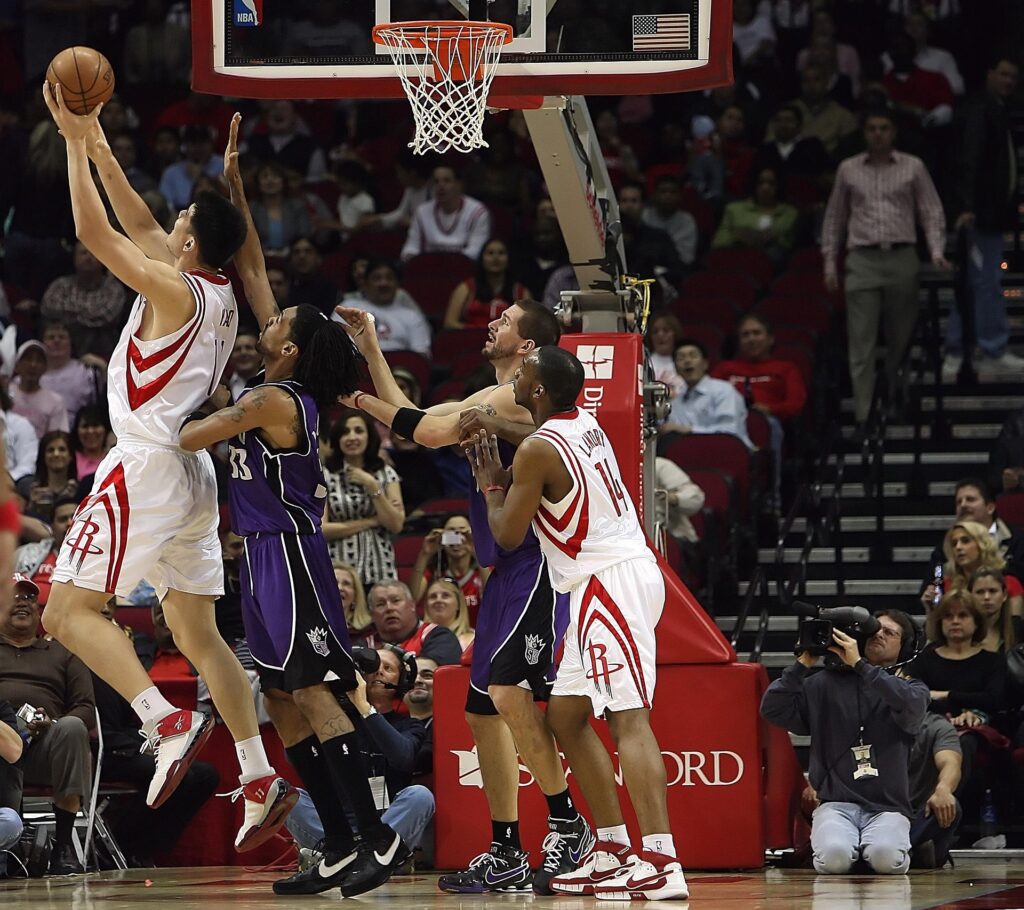
Raptors vs Kings: When Two Journeys of Reinvention Collide on the NBA Hardwood
Introduction: An NBA Night That Feels Bigger Than the Schedule
Some NBA games announce themselves loudly. Christmas Day showdowns. Playoff elimination nights. Rivalries soaked in decades of bitterness. And then there are games like Toronto Raptors vs Sacramento Kings—quiet on paper, but rich with meaning for those who’ve actually watched the league breathe, evolve, and sometimes painfully reinvent itself.

The arena lights dim. Music pulses through the rafters. Players finish their final warm-up shots, each bounce of the ball echoing with purpose. This isn’t Lakers vs Celtics. No historic banners clash above center court. But there’s something else here—identity, belief, and the stubborn refusal of two franchises to disappear quietly.
Raptors vs Kings is not about hatred.
It’s about survival, patience, and earning relevance the hard way.
As someone who has followed the NBA long enough to remember when both these teams were afterthoughts in different ways—Toronto dismissed as a cold-market experiment, Sacramento trapped in basketball purgatory—this matchup feels like a conversation between two franchises that understand pain, growth, and hope better than most.
This is not just a game.
This is a meeting of philosophies.
Chapter 1: Two Franchises, Two Very Different Beginnings
Toronto Raptors: Born as an Experiment, Forced to Earn Respect
When the Toronto Raptors entered the NBA in 1995, they were treated like a novelty. An international curiosity. Purple jerseys. A cartoon dinosaur logo. Fun—but not serious.


Early years were chaotic. Expansion teams always are. But Toronto had one thing going for it: Vince Carter.
Carter didn’t just dunk; he detonated the rim. For a while, he made the Raptors relevant globally. Yet even then, there was a ceiling. The franchise struggled with consistency, front-office missteps, and the perception that stars wouldn’t stay.
For years, Toronto lived in the NBA’s uncomfortable middle—good enough to matter, not good enough to scare anyone.
Then came the shift.
Masai Ujiri didn’t just change rosters; he changed culture. The Raptors stopped chasing shortcuts. They committed to development, defense, and adaptability. They trusted the process without advertising it.
And in 2019, after years of heartbreak and internal belief, Toronto climbed the mountain and won an NBA championship—not as a superteam, but as a collective.
That title didn’t just validate the Raptors.
It rewrote how international franchises could be viewed.
Sacramento Kings: Once Royalty, Then Forgotten
Sacramento’s story cuts differently.
The Kings were once beautiful basketball. Early 2000s Sacramento played a brand of offense that purists still romanticize—ball movement, spacing, trust. The Chris Webber–Mike Bibby–Peja Stojaković era didn’t just win games; it shaped how offense could look.
And then… it all collapsed.
Bad drafts. Coaching turnover. Front-office confusion. A playoff drought that stretched so long it became a punchline. Entire NBA generations grew up never seeing Sacramento in the postseason.
The Kings weren’t bad for lack of effort. They were lost.
Yet Sacramento fans stayed. Loud. Loyal. Slightly wounded—but never gone.
When the Kings finally began to rebuild correctly, it wasn’t flashy. It was overdue.
Chapter 2: Identity Is Everything in the Modern NBA
Raptors: Defense, Development, and Adaptability
Watch the Raptors closely and you notice something different. They don’t panic. They don’t chase trends blindly. Their identity is built on versatility.
Long defenders. Switchable lineups. Players developed rather than imported. Toronto has never been about the loudest superstar—it’s been about system intelligence.
Even in post-championship transition years, the Raptors play with a quiet confidence. They understand who they are: a team that survives through execution, toughness, and preparation.
They may not always win pretty—but they rarely beat themselves.
Kings: Speed, Freedom, and Offensive Trust
The modern Kings play like a team that has been freed from a long cage.
Fast pace. Relentless movement. Offense that flows naturally rather than being forced. Sacramento’s revival is rooted in trust—trust in spacing, in decision-making, and in rhythm.
They don’t overthink. They attack.
The Kings aren’t perfect defensively, but they compensate with tempo and confidence. Watching them feels like watching a team finally allowed to be itself after years of second-guessing.
Chapter 3: Players Who Define the Matchup
Raptors Leaders: Quiet Authority
Toronto’s leaders rarely scream. They communicate through execution.
Whether it’s a defensive rotation completed on instinct or a smart extra pass that leads to an open three, Raptors basketball values IQ as much as talent.
These players understand the system because they’ve grown within it. You feel that when watching them in crunch time—no wasted movement, no rushed possessions.
Toronto doesn’t rely on hero ball.
They rely on collective composure.
Kings Stars: Confidence Without Arrogance
Sacramento’s stars play with joy—and that matters.
You see it in how quickly they push the ball, how willingly they pass, how aggressively they cut without the ball. There’s an unspoken agreement on the floor: if you’re open, you shoot; if you’re moving, I’ll find you.
That freedom is intoxicating.
It also makes Raptors vs Kings fascinating, because Toronto’s discipline meets Sacramento’s creativity. Structure meets flow.
Chapter 4: Coaching – The Invisible Battle
Games like Raptors vs Kings are often decided not by highlight plays, but by adjustments.
Toronto’s coaching philosophy emphasizes reading the game. Defensive schemes change mid-quarter. Matchups are tweaked quietly. Nothing dramatic—but everything intentional.
Sacramento counters with trust. Their coaching empowers players to read situations themselves, keeping pace high and decisions instinctive.
It becomes a chess match disguised as a sprint.
Chapter 5: When Raptors and Kings Share the Floor
There have been Raptors vs Kings games that never trended online—but mattered deeply.
Games where Toronto slowed Sacramento’s rhythm just enough to control the fourth quarter. Games where the Kings ran Toronto off the floor with early offensive bursts.
These games often swing on momentum shifts:
-
A sudden defensive stop.
-
A missed rotation punished immediately.
-
A crowd rising after a fast-break dunk.
You feel it watching live. The tension isn’t manufactured—it’s earned.
Chapter 6: The Fans – Two Different Kinds of Loyalty
Toronto: Global and Proud
Raptors fans are everywhere. Not just Canada—everywhere.
They carry pride differently. “We The North” isn’t marketing; it’s identity. Raptors fans understand what it took to earn respect in a league that once ignored them.
They show patience when rebuilding. Passion when winning. And memory when remembering how hard it all was.
Sacramento: Loyal Through the Wilderness
Kings fans might be the most patient fans in the NBA.
Years of losing didn’t silence them. It sharpened them. Sacramento crowds don’t just cheer—they believe. Every big shot feels like validation. Every win feels personal.
When Raptors visit Sacramento, the building hums with something deeper than excitement—it’s relief mixed with pride.
Chapter 7: Numbers That Tell Stories (Not Just Stats)
Raptors vs Kings stats reveal contrasts:
-
Toronto thrives in defensive efficiency.
-
Sacramento dominates pace and offensive rating.
-
Toronto limits mistakes.
-
Sacramento forces opponents to keep up.
But numbers don’t capture the emotional swing of a Kings fast break or the frustration of running into Toronto’s half-court defense.
Stats explain outcomes.
Feel explains meaning.
Chapter 8: What This Matchup Says About the NBA
Raptors vs Kings reflects the modern NBA better than many marquee matchups.
It shows that:
-
Superteams aren’t the only path.
-
Culture matters.
-
Patience eventually pays dividends.
Both teams rebuilt without shortcuts. Both endured being ignored. And now, when they meet, there’s mutual respect on the floor—even if the competition is ruthless.
Chapter 9: Personal Reflection – Watching Growth, Not Just Games
As someone who’s watched these franchises over years—not highlights, but seasons—I find this matchup strangely emotional.
I remember when Toronto couldn’t keep stars.
I remember when Sacramento couldn’t find direction.
Seeing them now, competing with identity, reminds you why basketball is beautiful when done right.
Not every game needs history. Some games create meaning simply by existing.
Chapter 10: The Road Ahead
Toronto will continue evolving—developing, defending, adapting.
Sacramento will continue pushing—running, scoring, trusting.
Future Raptors vs Kings games may never headline national broadcasts, but they will matter to those who understand the league deeply.
They are reminders that progress isn’t linear—and relevance must be earned.
Conclusion: More Than a Game, Always a Statement
Raptors vs Kings isn’t about rivalry.
It’s about recognition.
Two franchises once overlooked now standing firmly on their principles. Two teams proving that patience, culture, and belief still have a place in the modern NBA.
When the final buzzer sounds, the score matters—but not as much as what the game represents.
Because sometimes, the most meaningful NBA battles aren’t about legacy.
They’re about becoming.