

Lakers vs Spurs: A Rivalry Reborn in the Luka–Wembanyama Era
The classic Lakers vs Spurs rivalry has entered a new chapter, driven not by Kobe and Duncan, but by the star power of Luka Dončić in purple and gold and Victor Wembanyama as the towering hope of San Antonio. Their November 5, 2025 showdown in Los Angeles delivered everything modern NBA fans crave: superstar shot‑making, huge momentum swings, foul trouble drama, and a frantic final possession that kept everyone in Crypto.com Arena on their feet.

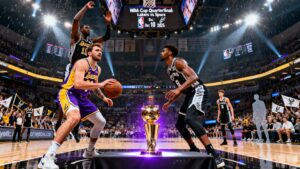
This narrow 118–116 win for the Lakers did more than just improve their early‑season record; it underlined how seriously the franchise is taking its new era with Dončić at the controls, and how close the young Spurs, built around Wembanyama, already are to breaking through in the Western Conference. With an NBA Cup quarterfinal rematch now on the calendar in December 2025, the stakes, storylines, and emotions attached to “Lakers vs Spurs” feel renewed for a whole new generation.
Final Score, Key Numbers, and Game Flow
The most recent regular‑season clash ended with the Lakers edging the Spurs 118–116 at home, thanks to a late surge in the fourth quarter after trailing by nine with just over seven minutes left. San Antonio had controlled stretches of the game, including a 37‑point third quarter, but they went cold from the field during the closing minutes, opening the door for Dončić and the Lakers to steal it.
Across the four quarters, the scoring by period showed how the momentum swung: Spurs 29–30–37–20 versus Lakers 26–34–28–30, underlining that the game turned in the final frame when Los Angeles clamped down defensively. The Spurs led 106–97 in the fourth before being held without a field goal for nearly four and a half minutes, a drought that proved fatal against a veteran, star‑driven Lakers offence.
Luka Dončić’s Near Triple‑Double Masterclass
Luka Dončić authored the kind of stat line that will forever show up in “Lakers vs Spurs” history: 35 points, 13 assists, 9 rebounds and 5 steals, even on a night where his shot was less efficient than usual. Shooting just 9‑for‑27 from the field, he compensated with timely three‑pointers, relentless drives, and smart playmaking, especially in the final minutes when the game tightened and possessions became more valuable.
His fourth three‑pointer of the night was the turning point, pushing the Lakers ahead 113–112 and swinging the energy in the arena as San Antonio struggled to respond. Beyond the box score, Dončić’s body language told the story of a superstar who understands the weight of wearing Laker gold: barking instructions, gesturing to teammates on defence, and calmly walking to the line in high‑pressure moments instead of looking rushed or rattled.
Supporting Cast: Ayton, Role Players and Foul Trouble
While Dončić drew the headlines, the Lakers’ supporting cast quietly did the blue‑collar work that separates contenders from pretenders. Deandre Ayton delivered 22 points on 9‑of‑13 shooting, giving Los Angeles a reliable interior scoring option and forcing the Spurs to pick their poison between defending the paint or loading up on Dončić’s perimeter creation. Ayton’s soft touch around the rim and mid‑range jumper created a steady scoring baseline, especially when the offence became stagnant.
The game was also defined by foul trouble, with multiple players from both sides fouling out in the fourth quarter as the whistle blew repeatedly on drives, post battles, and screens. For Los Angeles, it meant constant adjustment in the rotation, with role players stepping into big defensive possessions while still trying to space the floor on the other end; for San Antonio, losing key frontcourt and wing defenders late made it harder to contain Dončić’s drives and Ayton’s rolls.
Victor Wembanyama Shows Star Quality Despite Foul Out
On the Spurs’ side, Victor Wembanyama once again showed why he is already one of the most talked‑about young players in the league, finishing with 19 points and 8 rebounds before fouling out with under two minutes to play. His length bothered the Lakers at both ends: altering shots at the rim, contesting jumpers on the perimeter, and finishing above the crowd on lobs and putbacks.
However, his foul issues became the central subplot of the fourth quarter, climaxing when he was called for an offensive foul on a charge drawn by Rui Hachimura, a play that not only removed him from the game but dramatically shifted the momentum. For a young star, this is the kind of painful loss that can also be a valuable lesson about pacing, positional defence, and picking spots in crunch time; for Spurs fans, it was a mix of pride in his production and frustration at seeing him on the bench when it mattered most.
Spurs’ Young Core: Castle, Sochan and the Fight to the End
Even with Wembanyama fouling out, San Antonio refused to fold, leaning on its young core to keep the game within a single possession. Rookie Stephon Castle and versatile forward Jeremy Sochan both scored 16 points, combining steady shot‑making with energetic defence and transition play that gave the Lakers plenty of problems earlier in the night. Their ability to attack off the dribble and switch defensively fit well with the Spurs’ modern, fast‑paced style under Gregg Popovich’s evolving system.
What stood out watching the closing minutes was how composed this young group appeared despite the hostile environment and Dončić’s onslaught. They executed set plays, moved the ball, and still generated decent looks even without their main focal point in Wembanyama, ultimately coming up just short when the final possession broke down under Laker pressure. Nights like this often become foundational memories for young teams, shaping their identity for future playoff runs.
Defence and Adjustments: How the Lakers Stole the Fourth Quarter
Stat sheets will show the points, but the real turning point was defensive intensity. After allowing 37 points in the third quarter, the Lakers held San Antonio to just 20 in the fourth and, crucially, forced that long field‑goal drought when the Spurs’ offence suddenly looked rushed and predictable. Switching defensive schemes, tightening up on close‑outs, and contesting without fouling (after earlier whistles) helped Los Angeles dictate the final minutes.
On the offensive side, the Lakers simplified their approach: more pick‑and‑roll with Dončić and Ayton, more drive‑and‑kick actions targeting Spurs defenders in foul trouble, and a clear decision to trust their star to make reads rather than overcomplicating sets. The result was a run of efficient possessions that erased the nine‑point deficit and left San Antonio scrambling to regain rhythm, a template the Lakers will no doubt revisit in future tight games.
Injury Reports and Availability: November vs December Context
The November meeting came with both teams managing injuries, with the Lakers missing contributor Austin Reaves due to a hamstring issue, even as Dončić returned from a short absence to re‑anchor the offence. That context matters because it showed Los Angeles still had another shot‑creator and ball‑handler to reintroduce into the rotation, raising their ceiling for future matchups.
Fast forward to the December 2025 NBA Cup quarterfinal, and the narrative flips: reports indicate the Lakers enter the tie with one of their cleanest injury reports of the season, while Maxi Kleber is only listed as questionable and most of the core rotation is available. The Spurs, by contrast, face a huge setback with Wembanyama ruled out with a left calf strain, dramatically altering their offensive and defensive schemes and making their already tough task even steeper.
NBA Cup Quarterfinal: Stakes, Momentum and Psychological Edge
The addition of the NBA Cup has given regular‑season matchups a tournament flavour, and the Lakers vs Spurs quarterfinal on December 10, 2025 carries that extra win‑or‑go‑home intensity. Preview analyses highlight that Los Angeles enter not only with home‑court advantage but also with strong form and the memory of that comeback win in early November, while San Antonio must adjust on the fly without their best player.
Projections and betting previews generally lean towards the Lakers, pointing to their star power, improved health, and the psychological advantage of having already beaten this Spurs group once this season. For the Spurs, the challenge becomes tapping into their depth, trusting their system, and embracing the underdog role—hoping that players like Castle, Sochan, and others can exceed expectations and push the game into the kind of tight finish where anything can happen.
Season Context: Records, Form and Western Conference Picture
The November win moved the Lakers to 7–2 on the young season, establishing them as one of the early pace‑setters in the Western Conference, while the Spurs dropped to 5–2 after a blistering 5–0 start. That snapshot captured a Lakers team settling quickly into its new identity around Dončić, with enough veteran depth to survive off nights and still stack wins.
For San Antonio, the early record underscored how quickly Wembanyama has accelerated their rebuild, but also how thin their margin for error remains against elite, experienced opponents. The December Cup quarterfinal and any subsequent regular‑season meetings will feed directly into playoff seeding, tiebreakers, and the narrative of whether the Spurs are ready to genuinely challenge the top tier in the West or still one season away.
Key Matchups to Watch in Future Lakers vs Spurs Games
Even with Wembanyama sidelined for the Cup game, there are certain matchups that will continue to define this rivalry’s new chapter:
-
Dončić versus Spurs’ backcourt defenders: San Antonio will keep rotating guards and wings at him, trying physicality, traps, and switching, but every possession is a test of whether they can force the ball out of his hands without giving up easy looks elsewhere.
-
Ayton versus a Wembanyama‑less Spurs frontcourt: Without their star big, San Antonio’s interior defence must rely on energy and help rather than pure length, making Ayton’s touches a potential pressure point the Lakers can attack relentlessly.
-
Spurs’ young wings versus Lakers’ veterans: Players like Sochan and Castle will try to push the tempo and attack early in the shot clock, while the Lakers’ older core will aim to slow things down, leverage experience, and minimize mistakes in clutch minutes.
As the seasons progress and as both rosters evolve, these matchups will naturally shift, but the underlying tension—youth versus experience, rising star versus established superstar—will keep the rivalry compelling.
Why This Rivalry Feels “New Old School” for Fans
For older fans, Lakers vs Spurs still conjures images of Kobe Bryant trading blows with Tim Duncan in high‑stakes playoff series; for younger ones, it is now about Luka Dončić orchestrating late‑game comebacks and Victor Wembanyama stretching the limits of what a 7‑plus‑footer can do with a basketball. The November 2025 game captured that blend of nostalgia and novelty: an old Western Conference matchup, but with entirely new faces and styles.
From the emotional swings in the arena—groans at whistles, roars after deep threes, the collective inhale on the final Spurs possession—to the online debates that followed, this was the kind of contest that reminds people why rivalries matter. The upcoming Cup quarterfinal, even without Wembanyama, will tap into those same emotions, because fans now arrive with a shared memory of how wild the last meeting was and the hope that the next one will be even better.
Outlook: What Lakers vs Spurs Means Going Forward
Looking ahead, every Lakers vs Spurs matchup in this era will be judged through a dual lens: what it tells us about the present, and what it hints about the future of the Western Conference. The November comeback win showed that Los Angeles has a resilient, star‑anchored core that can close tight games even on imperfect shooting nights. It also showed that San Antonio, while young, already has the talent and courage to push top teams to the brink in hostile environments.