Kings vs Warriors Rivalry: History, Culture, Playoffs & Future Breakdown
Kings vs Warriors — Rivalry, Identity, and the Battle for Northern California Supremacy
There are rivalries in the NBA that grow out of pure competitiveness.
There are rivalries born from history, from geography, from culture, and from a sense of us vs them.
And then there are rivalries like Kings vs Warriors — a rivalry that is less about two basketball teams and more about two contrasting identities of Northern California, two communities with different dreams, and two fanbases who swear that their loyalty runs deeper than the hardwood.
For decades, Sacramento and the Bay Area lived in parallel basketball worlds, occasionally touching but never fully intertwining — until the modern era forced them into collision. What used to be a regional tension has now evolved into something much bigger, something sharper, something emotional.
This is a story of basketball, yes — but also a story of culture, pride, and belonging. A story of droughts and dynasties, heartbreaks and rebirths, curses and miracles. A story of how basketball can be both brutal and beautiful, and how two franchises re-shaped their destinies while staring across Interstate 80 at each other.
I. Roots of a Rivalry: Two Cities, One Highway, Completely Different Identities
To understand Kings vs Warriors, you must understand the soul of each city.
Sacramento — The Underdog Capital
Sacramento is a blue-collar heartland, a city built on agriculture, community, and loyalty.
The Kings weren’t just a team — they were a symbol of belonging.
Fans stayed through losing seasons, ownership turmoil, relocation threats, and heartbreak. They sold out arenas even during 20-win seasons. They carried signs reading “Here We Stay.” They fought like hell to keep their team alive.
The Kings were more than a franchise — they were part of the city’s identity.
The Bay Area — Innovation, Ambition, and Global Spotlight
Oakland and the Bay Area are a different story entirely.
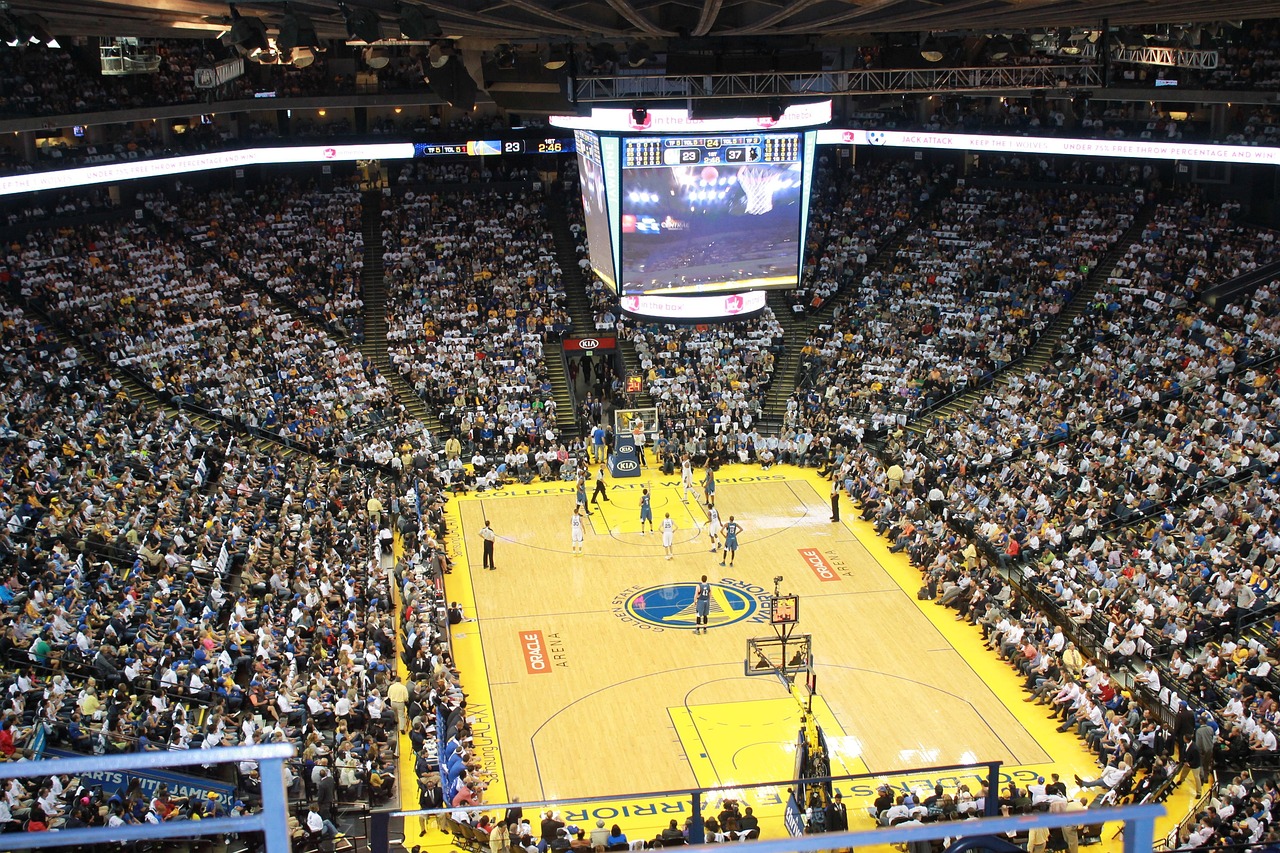
The Warriors were once lovable underdogs — a franchise that struggled for decades but built a culture of passion, grit, and loyalty in Oracle Arena. The Warriors became the spiritual soundtrack of Oakland — loud, edgy, electric.

Then came the dynasty years.
Suddenly, the Warriors became a global brand.
Stephen Curry became a cultural icon.
The team moved across the Bay to the stunning Chase Center in San Francisco.
Their identity shifted — from blue-collar fighters to worldwide phenomenon.
Sacramento stayed homegrown.
Golden State went global.
The contrast only intensified the rivalry.
II. The Cultural Divide: More Than Basketball
What makes this rivalry unique is that it’s not based on a century-long feud like Celtics–Lakers.
It’s built on something far more personal: regional identity.
Sacramento fans feel overlooked.
They believe the Kings represent authenticity, loyalty, and emotional resilience.
Warriors fans feel evolved.
They believe Golden State represents innovation, excellence, and championship culture.
When these two perspectives collide, the atmosphere changes.
Each fanbase thinks they are the “true heart” of Northern California basketball.
Each game becomes a tug-of-war for validation.
III. A Rivalry Dormant — Until the NBA Changed Everything
For a long time, the rivalry was one-sided — not because of hatred, but because both teams were rarely good at the same time.
The early 2000s: Kings rise, Warriors struggle
The Kings were a magical team: Webber, Bibby, Peja, Divac, Christie.
They played some of the most beautiful basketball in NBA history.
They were a legitimate championship contender.
The Warriors, meanwhile, were in chaos — no identity, no direction, constant losing seasons.
There was no rivalry because the games had no stakes.
2010s: Warriors rise, Kings struggle
Then the script flipped.
The Warriors became a dynasty — Curry, Thompson, Green, Durant — championships, MVPs, records.
The Kings fell into the longest playoff drought in NBA history.
Again, the rivalry remained dormant.
2020s: The Collision
Suddenly, everything changed.
-
The Kings found their stars: De’Aaron Fox and Domantas Sabonis
-
They discovered identity under coach Mike Brown
-
They became fast, fearless, and fun
-
They broke the playoff drought
-
They met the Warriors in the postseason
Now the rivalry had fuel.
Emotion.
History.
Revenge.
Stakes.
The 2023 and 2024 battles opened the floodgates — and the rivalry was reborn.
IV. The 2023 Playoff Series — A Turning Point in Northern California Basketball
For many, the 2023 first-round playoff series between the Kings and Warriors felt like a cinematic experience.
A veteran dynasty vs a hungry young team.
A team with banners vs a team starving for respect.
A team built on championship experience vs a team built on hope.
It was theater — loud, physical, emotional, and unfiltered.
Game 1: Sacramento Erupts
When the Kings hosted their first playoff game in 16 years, Golden 1 Center wasn’t an arena — it was a volcano.
Fans stood for hours before tip-off.
The energy was overwhelming.
The Kings won.
A statement was made.
Game 4: Curry’s Legacy Moment
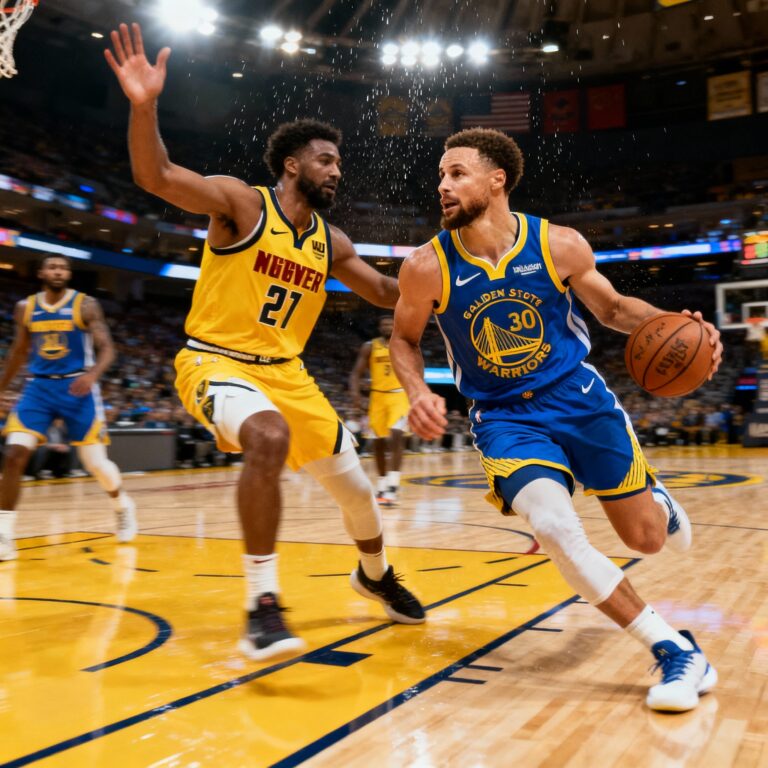
Stephen Curry’s 32-point masterpiece reminded everyone why he is a generational superstar.
He silenced the crowd.
He swung momentum.
It felt like a punch to the gut for Sacramento fans.
Game 7: Curry Breaks Sacramento’s Heart
One of the greatest Game 7 performances in NBA history — 50 points.
The Kings fought with heart, but experience won.
The Warriors advanced.
Sacramento was devastated, but inspired.
The rivalry was officially born.
V. The Human Stories Behind the Matchup
Rivalries are not built by stats — they are built by humans.
Stephen Curry — The Icon
To Sacramento fans, Curry is the villain they admire.
To Warriors fans, he is the heartbeat of a basketball generation.
Curry’s shooting, leadership, humility, and brilliance have shaped this rivalry.
He brings a sense of calm chaos — one moment quiet, the next moment ripping away momentum.
De’Aaron Fox — The Young King
Fox represents Sacramento’s rebirth.
-
Speed
-
Fearlessness
-
Clutch scoring
-
Emotional connection to fans
He embodies everything the Kings want to become: elite, respected, and unafraid.
Domantas Sabonis vs Draymond Green — Fire vs Fire
This matchup alone could fill a documentary.
Sabonis: tough, powerful, crafty in the post
Draymond: intense, physical, unpredictable, a psychological weapon
Their battles are emotional and symbolic — old-school toughness vs strategic chaos.
Klay Thompson — The Sacramento Kid
Klay was born in Los Angeles but grew up in a Kings family environment — his dad, Mychal Thompson, often took him to Kings games.
Now he’s one of the main pieces of the team Sacramento loves to hate.
The poetry writes itself.
VI. Playing Styles — Two Interpretations of Modern Basketball
Though both teams shoot threes and play fast, their identities differ.
Warriors’ Style
-
Motion offense
-
Ball movement
-
Off-ball screens
-
Chaos that turns into artistry
-
Small-ball brilliance
-
Heavy Curry and Klay influence
The Warriors play like jazz — improvisation, rhythm, creativity.
Kings’ Style
-
Fast pace
-
Pick-and-roll heavy
-
Sabonis as a point center
-
Fox pushing tempo
-
Spacing and cutting
-
More structured offensive sets
The Kings play like a rock band — loud, energetic, relentless.
When these two styles collide, games feel like a clash of philosophies.
VII. The Atmosphere — Two Arenas, Two Worlds
Golden 1 Center — Roar of the Underdog
Sacramento’s arena is a pressure cooker.
Sounds aren’t just loud — they feel emotional.
Fans are invested in every possession, every whistle, every swing.
When the Kings go on a run, the building shakes.
Chase Center — Luxury Meets Legacy
Chase Center is different.
Polished.
Glittering.
Global.
The crowd is loud, but in a different way — more like witnessing a performance than fighting a war.
In Sacramento, fans feel like they are part of the team.
In San Francisco, fans feel like they are watching greatness.
Both atmospheres are electric, just in different frequencies.
VIII. Business, Media, and Narrative Influence
The rivalry is fueled by more than basketball.
Media Spotlight
The Warriors dominate national media coverage due to:
-
Championships
-
Superstars
-
Global fanbase
-
Massive market
The Kings often feel overlooked, which adds emotional fuel.
Economics and Branding
The Bay Area is a tech and business powerhouse.
Sacramento is community-driven and local.
The contrast translates directly into how each franchise operates — budget, marketing, identity, and expectations.
IX. The Future — A Rivalry That’s Only Getting Started
This rivalry is entering a golden age.
Why?
Because:
-
The Kings are rising
-
The Warriors are transitioning
-
Younger players will take the spotlight
-
Both teams rely on fast-paced, modern basketball
-
Both fanbases feel emotionally connected
-
Geography ensures constant collisions
This rivalry will define Northern California basketball for the next five years.
Expect:
-
More playoff battles
-
More emotional games
-
More iconic performances
-
More drama
-
More passion
The seeds have already been planted.
X. Final Reflection — A Rivalry Forged by Identity
Kings vs Warriors is more than basketball.
It is:
-
Tradition vs evolution
-
Loyalty vs legacy
-
Underdog hunger vs championship pedigree
-
Community vs global spotlight
It is a rivalry built on respect, tension, heartbreak, and hope.
It is a rivalry that reflects the spirit of two different Northern Californias.
But most of all, it is a rivalry that reminds us why sports matter — because they make us feel something real.
Two teams.
Two identities.
One highway.
One rivalry that is just beginning to burn.