OnePlus Dismantled: Rise, Reinvention, and the Identity Crisis That Changed a Smartphone Giant
OnePlus Dismantled: How a Beloved Smartphone Brand Lost Its Soul While Chasing Success
Introduction: The Day OnePlus Stopped Feeling Like OnePlus

There was a time when unboxing a OnePlus phone felt personal.
Not luxurious in the Apple sense. Not flashy like Samsung. But honest. It felt like a device made by people who understood tech enthusiasts—the ones who stayed up late flashing ROMs, debated processors on forums, and cared more about smooth performance than glossy marketing.
Then, slowly, something changed.
It wasn’t a single product launch. Not one controversial update. Not even a single price hike. It was a gradual dismantling—piece by piece—of everything that once defined OnePlus. The brand wasn’t destroyed overnight. It was reassembled into something else.
Today, when long-time fans say “OnePlus is not OnePlus anymore,” they’re not being dramatic. They’re mourning the loss of an identity.
This is the story of how OnePlus—once the ultimate “flagship killer”—was dismantled from the inside out. Not physically, but philosophically. Not by failure, but by success.
Chapter 1: The Birth of a Disruptor (2013–2016)
In 2013, the smartphone world was predictable.
Apple dominated the premium segment. Samsung flooded the market with variants. Chinese brands were still struggling with trust issues outside Asia. Innovation felt incremental, prices felt inflated, and users felt ignored.
Then came OnePlus.
Founded by Pete Lau and Carl Pei, OnePlus didn’t just sell a phone—it sold an idea:
👉 “You don’t need to overpay for a great smartphone.”
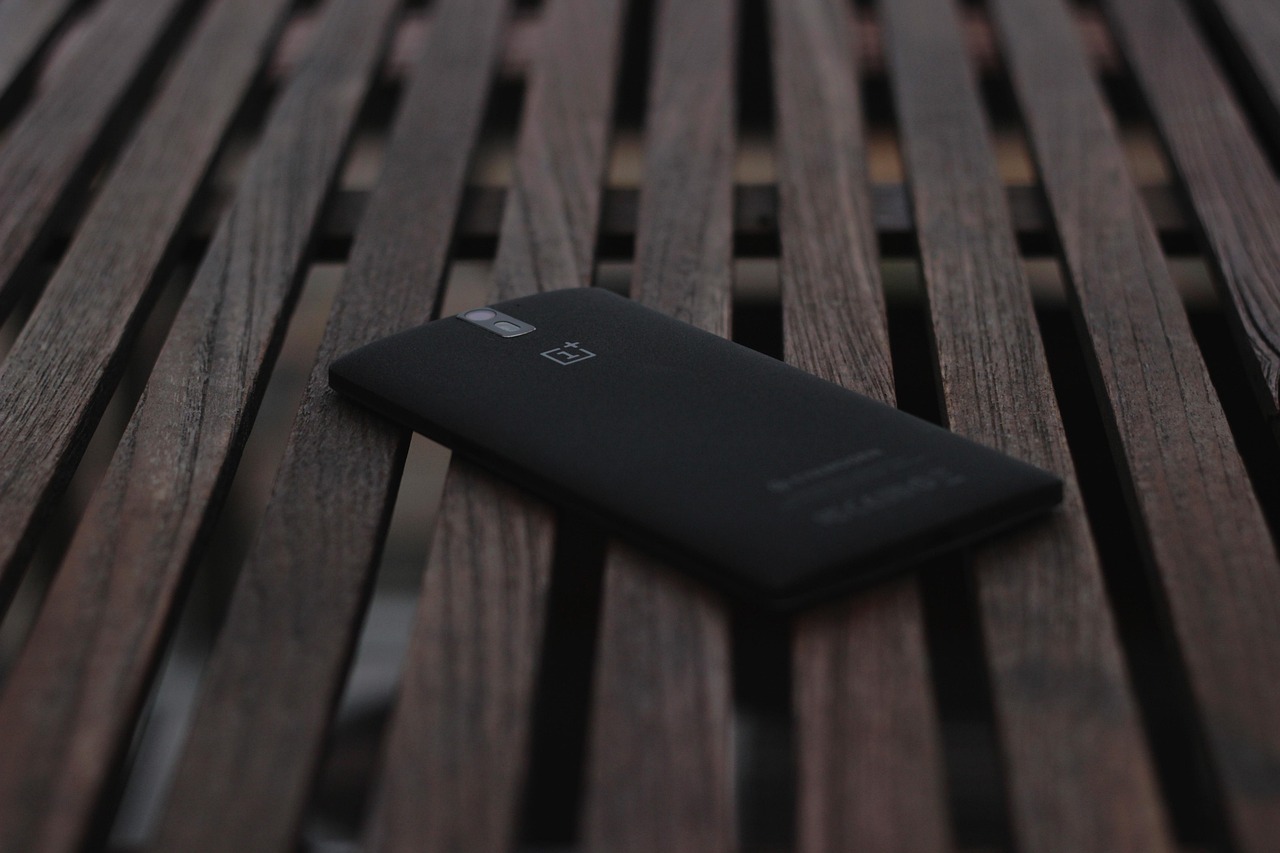
The OnePlus One: A Statement, Not Just a Phone
The OnePlus One wasn’t perfect, but it was bold.
-
Snapdragon flagship processor
-
Cyanogen OS (clean, fast, customizable)
-
Premium specs
-
Shockingly low price
-

OnePlus identity crisis
And then there was the invite system—controversial, annoying, but undeniably effective. It made OnePlus feel exclusive without being elitist.
Most importantly, OnePlus talked to its users, not at them.
Forums mattered. Feedback mattered. Updates came fast. Bugs were acknowledged. The brand felt alive.
This wasn’t just a phone company. It was a movement.
Chapter 2: Building a Cult, Not Just a Customer Base
Between 2014 and 2016, OnePlus built something rare in tech: trust.
OxygenOS: Software With a Soul
When OnePlus transitioned from Cyanogen OS to OxygenOS, it could have been a disaster. Instead, it became a triumph.
OxygenOS was:
-
Fast
-
Clean
-
Close to stock Android
-
Customizable without being bloated
It respected users. No ads. No unnecessary apps. No gimmicks.
For Android purists, OxygenOS felt like a love letter.
Community First, Profits Later
OnePlus forums were buzzing. Executives interacted directly with users. Feature requests actually turned into updates. Bugs weren’t hidden behind PR statements.
Users didn’t feel like customers. They felt like collaborators.
That emotional connection would later make the dismantling hurt even more.
Chapter 3: Success Arrives—and With It, Pressure
As OnePlus gained popularity, expectations rose.
By the time the OnePlus 3 and 3T launched, OnePlus was no longer an underdog. Reviewers praised it. Sales grew. Investors watched closely.
And that’s when the pressure began.
Growth Demands Compromise
Being a niche brand is easy. Scaling globally is not.
To grow, OnePlus needed:
-
More devices
-
More markets
-
More mainstream appeal
And mainstream appeal often comes at the cost of originality.
This is where the first cracks appeared.
Chapter 4: The First Cracks in the Armor
Nothing collapsed suddenly. Instead, fans noticed small things.
-
Camera quality lagging behind competitors
-
Prices slowly creeping upward
-
Release cycles getting faster
-
Features feeling unfinished
Each issue alone was forgivable. Together, they hinted at a shift.
OnePlus was no longer obsessed with perfection. It was racing to keep up.
The “Never Settle” slogan started to feel ironic.
Chapter 5: The Oppo Connection—Always There, Finally Visible
Technically, OnePlus was always linked to BBK Electronics, the Chinese conglomerate behind Oppo, Vivo, and Realme.
In the early years, this relationship was mostly invisible.
Then, it wasn’t.
Integration Begins
Behind the scenes:
-
Shared manufacturing
-
Shared R&D
-
Shared components
Publicly:
-
Similar hardware designs
-
Overlapping strategies
-
Internal restructuring
Eventually, OnePlus was no longer operating as an independent rebel. It was becoming a brand within a system.
And systems prioritize efficiency over emotion.
Chapter 6: OxygenOS Dismantled—The Breaking Point
If there was a single moment when fans collectively said “This is it,” it was the OxygenOS–ColorOS merge.
Why OxygenOS Mattered
OxygenOS wasn’t just software. It was identity.
When OnePlus announced deeper integration with Oppo’s ColorOS, the reaction was immediate—and brutal.
Users complained about:
-
Visual clutter
-
Slower updates
-
Bugs
-
Loss of stock Android feel
To longtime fans, this wasn’t evolution. It was replacement.
OnePlus promised:
“The best of both worlds.”
Fans experienced:
“The loss of ours.”
This was not an update. It was a dismantling.
Chapter 7: From Flagship Killer to Flagship Pricing
Remember when OnePlus phones undercut Samsung by hundreds of dollars?
Those days are gone.
Modern OnePlus flagships now:
-
Compete directly with Samsung and Apple on price
-
Offer fewer unique advantages
-
Rely heavily on brand loyalty
But brand loyalty only works when the brand remembers who it was loyal to.
For many fans, the value equation broke.
If a OnePlus costs the same as a Galaxy or iPhone, why choose OnePlus?
The answer used to be identity. Now, that answer feels unclear.
Chapter 8: Too Many Phones, Too Little Clarity
Then came the Nord explosion.
Nord, Nord CE, Nord N, Nord Lite—each targeting different price points.
While this made business sense, it diluted the brand.
OnePlus once stood for focus. Now it stood for variety.
And variety without identity creates confusion.
Chapter 9: Carl Pei Leaves—and Fans Read Between the Lines
When Carl Pei left OnePlus, the company insisted it was amicable.
Fans weren’t convinced.
Carl Pei wasn’t just a co-founder. He was the voice. The personality. The bridge between users and the brand.
His departure symbolized what many already felt:
The original OnePlus vision was over.
His new company, Nothing, would later amplify that feeling.
Chapter 10: OnePlus vs Nothing—A Quiet Comparison
Nothing did something interesting.
It didn’t just launch products. It revived emotion.
-
Transparent design
-
Community engagement
-
Honest messaging
For many former OnePlus fans, Nothing felt like spiritual continuity.
Not because Nothing was perfect—but because it felt familiar.
Chapter 11: The Indian Market—Love, Loyalty, and Disappointment
India was OnePlus’s strongest market.
Affordable flagships. Strong service. Massive fanbase.
But India is also brutally competitive.
Brands like Xiaomi, Samsung, iQOO, and Realme offer:
-
Similar specs
-
Lower prices
-
Aggressive updates
As OnePlus moved upmarket, many Indian users felt left behind.
Loyalty weakened.
Chapter 12: Is OnePlus Still OnePlus?
The honest answer?
Yes—and no.
OnePlus still makes good phones. Sometimes great ones. Performance is strong. Hardware is solid.
But the feeling is gone.
And in tech, feelings matter more than specs.
Chapter 13: Lessons From the Dismantling
OnePlus teaches us a powerful lesson:
-
Growth without identity is dangerous
-
Communities are fragile
-
Trust is hard to rebuild once broken
OnePlus didn’t fail.
It transformed.
But not everyone wanted that transformation.
Chapter 14: The Future—Rebirth or Final Form?
Can OnePlus reclaim its soul?
Maybe.
But it would require:
-
Listening again
-
Simplifying
-
Prioritizing software experience
-
Respecting long-time users
Whether it chooses to do so remains uncertain.
Conclusion: Never Settle—Or Did It?
OnePlus didn’t die.
But the OnePlus many fell in love with did.
What remains is a capable, competitive smartphone brand—efficient, polished, and corporate.
What’s missing is the rebellious heart.
And perhaps that’s the real tragedy of OnePlus being dismantled—not that it changed, but that it forgot why people cared in the first place.
Because smartphones can be copied.
Specs can be matched.
But trust, once dismantled, is almost impossible to rebuild.